


ATI Blog Detail

 BY: Junaid Ahmed
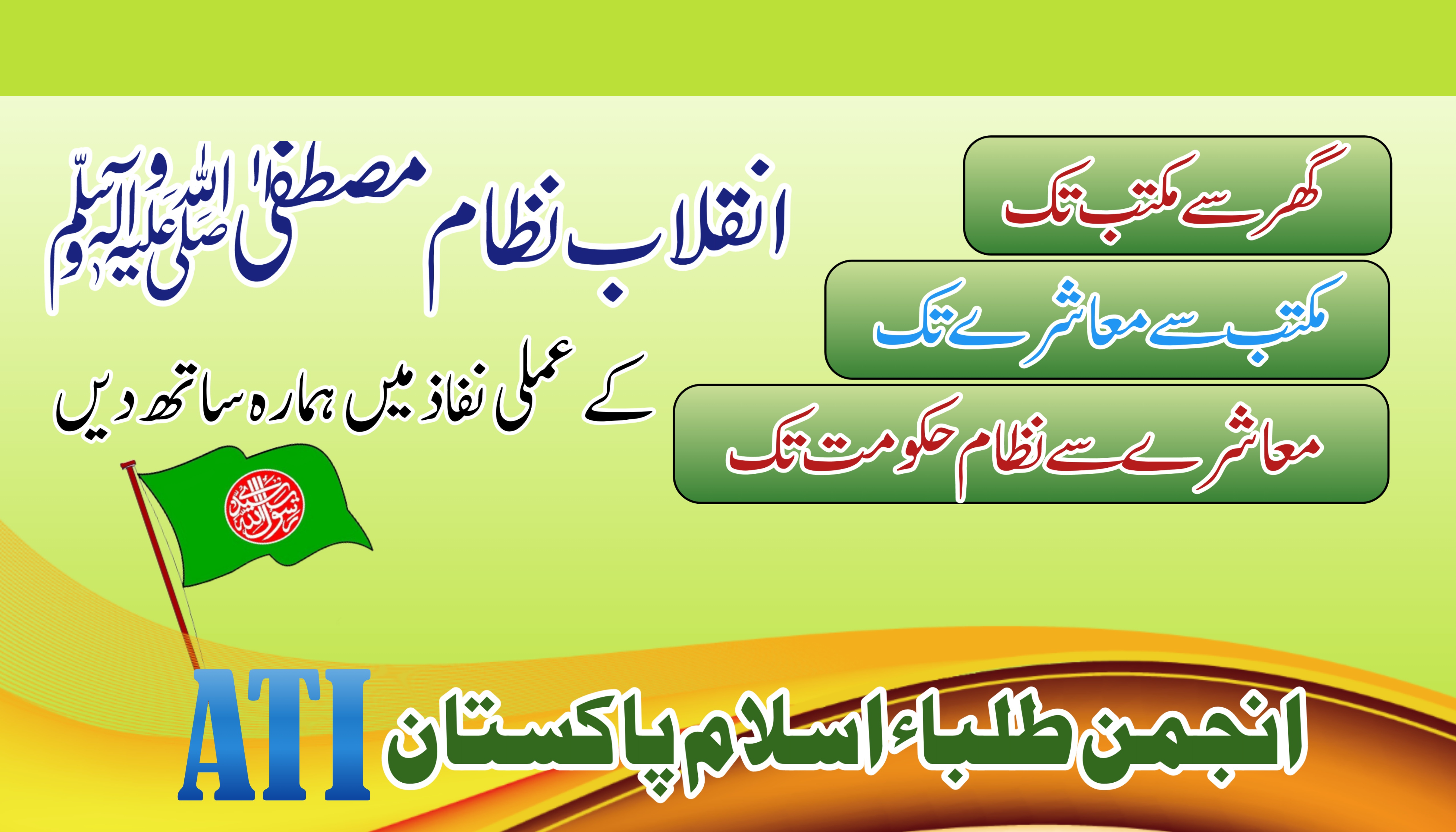
Nizam-e-Mustafa ﷺ: A Timeless System for a Just Society
Introduction: A System Rooted in Mercy and Justice
In a world grappling with inequality, corruption, and moral decay, the call for a just and ethical system grows louder. For Anjuman Talaba-e-Islam (ATI), the answer lies in the timeless teachings of the Prophet Muhammad ﷺ—embodied in the vision of Nizam-e-Mustafa ﷺ. This isn’t just a slogan; it’s a comprehensive framework for governance, society, and personal conduct rooted in divine wisdom.
Historical Origins of Nizam-e-Mustafa ﷺ
The term “Nizam-e-Mustafa” gained prominence during the 1977 movement in Pakistan, where religious parties united to demand an Islamic system based on the Qur’an and Sunnah. While the political movement had its complexities, the spiritual essence of Nizam-e-Mustafa transcends politics—it’s about aligning every aspect of life with prophetic guidance.
Core Principles of Nizam-e-Mustafa ﷺ
- Justice (‘Adl): No favoritism, no oppression. Every citizen—rich or poor—is equal before the law.
- Compassion (Rahmah): Policies must reflect mercy, especially toward the weak and marginalized.
- Accountability (Mas’ooliyyah): Leaders are servants, not rulers. They are answerable to Allah and the people.
- Consultation (Shura): Decisions are made through dialogue, not dictatorship.
- Freedom of Faith: Non-Muslims are protected and respected under Islamic governance.
Nizam-e-Mustafa vs. Secular Systems
Unlike secular models that separate religion from governance, Nizam-e-Mustafa integrates ethics into every decision. It doesn’t rely on fluctuating human ideologies—it’s anchored in divine revelation.
| Feature | Secular System | Nizam-e-Mustafa ﷺ |
| Law Source | Human legislation | Qur’an & Sunnah |
| Justice | Relative | Absolute |
| Leadership | Power-centric | Service-centric |
| Accountability | Political | Spiritual & civic |
Education Under Nizam-e-Mustafa ﷺ
Education is not just about degrees—it’s about character. Under this system:
- Curriculum includes Qur’an, Hadith, and Islamic history
- Ethics and manners are core subjects
- Teachers are respected as moral guides
- Students are nurtured to become responsible citizens
Welfare and Economic Justice
Nizam-e-Mustafa ensures:
- Zakat-based welfare systems
- Interest-free banking
- Fair wages and labor rights
- Support for orphans, widows, and the disabled
It’s a system where economic growth is tied to moral responsibility.
Legal System and Human Rights
The Prophet ﷺ established a legal system that:
- Protected life, property, and dignity
- Offered fair trials and evidence-based judgments
- Prevented torture and abuse
- Ensured rights for women, minorities, and the poor
ATI advocates for reviving this model in modern Pakistan.
ATI’s Role in Promoting Nizam-e-Mustafa ﷺ
ATI educates students about:
- The prophetic model of governance
- Islamic law and ethics
- Civic responsibility rooted in faith
- Peaceful advocacy for Islamic reforms
Through seminars, publications, and digital campaigns, ATI keeps the vision alive.
Global Relevance of Nizam-e-Mustafa ﷺ
From Malaysia to Morocco, Islamic scholars are revisiting prophetic governance as a solution to modern crises. Nizam-e-Mustafa offers:
- A moral compass in politics
- A humane approach to law
- A balanced economic model
- A spiritually fulfilling society
Conclusion: A System That Transcends Time
Nizam-e-Mustafa ﷺ is not a relic of the past—it’s a roadmap for the future. It offers justice without tyranny, freedom without chaos, and prosperity without exploitation. For ATI, this vision is not just theoretical—it’s a mission to be lived, taught, and implemented.

Every Prayer, A Step Closer to Allah
📆 Today: 6 Muḥarram 1448 AH - Sunday 21 June 2026
📍 Prayer Times in Karachi, Pakistan
- Fajr:04:14 AM
- Imsak:04:04 AM
- Dhuhr:12:33 PM
- Asr:03:55 PM
- Maghrib:07:24 PM
- Isha'a:08:53 PM